
Why Contactless, Chip, Swipe, and Keyed Transactions Can Look Different on a Merchant Statement
Expert Verified & Fact-Checked
From the Desk of: Chris DuPont, founder of Merchant Statement Analysis, with 17+ years of merchant processing experience.
The Focus: Chip, contactless, swipe, and keyed transactions can produce different statement patterns. Learn why entry method, data quality, and acceptance channel matter
Our Approach: Separates processing volume, transaction count and average ticket, card mix/acceptance channel, and processor markup and fixed fees so the reader can distinguish transaction or account changes from processor pricing changes without assuming that every unusual line item is an error.
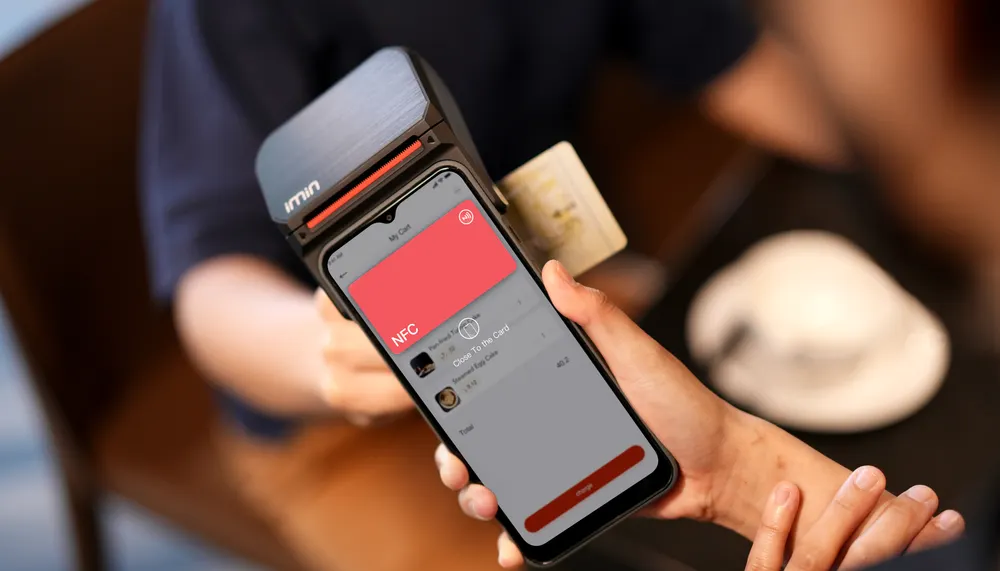
The customer can present the same card four different ways:
- tap
- chip
- swipe
- manual key entry
From the merchant's perspective, the payment amount is the same.
From the payment system's perspective, the transaction data can be different.
Entry Method Is Part of the Transaction
How the card information enters the payment system can affect:
- security data
- transaction indicators
- available authentication information
- qualification
- risk treatment
That is why entry method can matter even when the card and purchase amount stay the same.
Chip and Contactless Transactions
Modern chip and contactless transactions can transmit richer transaction data than older magnetic-stripe methods.
For ordinary in-person sales, that can support card-present processing treatment when all other requirements are met.
The exact cost still depends on card type, merchant category, and current network rules.
Swipe Activity Can Mean Different Things
A swipe can be normal in certain legacy environments or it can occur as fallback when a chip transaction does not work.
Those are not always equivalent scenarios.
A merchant with unexpected swipe or fallback activity may want to understand why it is occurring.
Keyed Transactions Need Context
A keyed transaction is not automatically improper.
A business may legitimately key a payment for:
- phone orders
- remote deposits
- invoice payments
- certain operational situations
But manual entry often changes the data available to the processor and card network.
That can affect how the transaction is treated.
Why Entry Method Can Affect Qualification
Card-network pricing is not based on one universal rate.
Qualification can depend on many details.
Entry mode is one of them.
Missing data, incorrect transaction indicators, delayed settlement, or other transaction characteristics can also matter.
This is why the statement should not be reduced to "tap is cheap and keyed is expensive." The real rules are more nuanced.
What This Looks Like in Practice
The analysis becomes useful when it explains which of those factors is actually driving the result.
Context Is the Difference Between Data and Analysis
A statement can show the right numbers and still be misunderstood.
The Mistake to Avoid
The easiest mistake is to isolate one number and give it more meaning than it can support.
The Better Question to Ask
Instead of asking whether one number is high or low, ask what created it.
When a Statement Review Helps
How to Read This Issue in Context
In Chip vs Swipe vs Keyed Costs on Merchant Statements, merchants comparing credit card processing costs need to identify which activity or pricing component actually produced the charge. Start by comparing processing volume with transaction count and average ticket. Then review card mix/acceptance channel and processor markup and fixed fees to determine whether the result is being driven by merchant activity, pass-through cost, processor pricing, or another service.
For Chip vs Swipe vs Keyed Costs on Merchant Statements, a multi-period view is usually stronger than a one-month snapshot. If the statement shows a change in processing volume while there is no meaningful change in processor markup and fixed fees, the explanation points in a different direction than a month where the merchant’s activity is stable but the pricing line changes. That distinction keeps the review tied to evidence rather than to a quick assumption.
A Practical Statement Checklist
- For Chip vs Swipe vs Keyed Costs on Merchant Statements, compare processing volume across the relevant statement periods.
- Separate transaction count and average ticket from charges that are billed on a different basis.
- Check whether card mix/acceptance channel changed enough to explain the movement being reviewed.
- Identify the statement label and billing basis for processor markup and fixed fees, and confirm whether the statement provides enough detail to classify it confidently.
What This Does Not Prove
For Chip vs Swipe vs Keyed Costs on Merchant Statements, a surprising number on one statement is a reason to investigate, not proof that the processor made an error or that the account is overpriced. Read processing volume, transaction count and average ticket, card mix/acceptance channel, and processor markup and fixed fees together, then check the agreement, processor definitions, network rules, or operating details when the statement alone cannot answer the question.
A strong review of Chip vs Swipe vs Keyed Costs on Merchant Statements makes its limits visible. Use the statement for conclusions it can support; where detail is missing, note the missing evidence and verify it before presenting the point as fact.
How This Affects a Quote or Review
The proposal test for Chip vs Swipe vs Keyed Costs on Merchant Statements is whether the savings survives normalization. Account for changes in processing volume and card mix/acceptance channel, then isolate processor markup and fixed fees from transaction count and average ticket. If the projected advantage disappears after those adjustments, the original comparison was measuring activity differences rather than processor pricing.
Use historical statement data—not a convenient snapshot—to support Chip vs Swipe vs Keyed Costs on Merchant Statements, and make the assumptions and reconciliation visible before presenting the result as savings.
Decision Signal
The useful signal for Chip vs Swipe vs Keyed Costs on Merchant Statements is the relationship among processing volume, transaction count and average ticket, card mix/acceptance channel, and processor markup and fixed fees, not one fee viewed by itself. If those inputs stay reasonably stable while the pricing result moves materially, investigate the pricing. If the inputs moved too, quantify their effect first.
This framework gives the reader useful questions without pretending a single article can replace a full statement review. The final pricing conclusion should still be grounded in the complete statement and, when necessary, the underlying merchant agreement or current network documentation.