How to Read a Merchant Statement: Decoding Guide

Expert Verified & Fact-Checked
From the Desk of: Chris DuPont, founder of Merchant Statement Analysis, with 17+ years of merchant processing experience.
The Focus: This guide explains the main parts of a merchant statement and how business owners can read fees, deposits, refunds, and chargebacks with more confidence.
Our Approach: This article is based on Merchant Statement Analysis' practical experience reviewing merchant processing statements, fee line items, processor pricing structures, and merchant deposit activity.
Understanding your merchant statement can feel like deciphering a complex code. But it doesn't have to be that way. When you know what to look for, you can spot hidden fees, understand your processing costs, and make smarter decisions to save money. This guide will walk you through the key parts of your merchant statement and show you how to read it with confidence.
How to Read a Merchant Statement: What You Need to Know
Merchant statements are packed with information, but they're often confusing. They include details about your credit card processing fees, transaction volumes, chargebacks, and more. The first step is to get familiar with the common terms and sections you'll see.
- Gross Sales: This is the total amount of sales processed through your merchant account before any fees or refunds.
- Refunds and Returns: Amounts returned to customers, which reduce your total sales.
- Net Sales: Gross sales minus refunds and returns.
- Discount Rate: The percentage fee charged on each transaction.
- Transaction Fees: Fixed fees per transaction, often a few cents.
- Monthly Fees: Regular fees for maintaining your merchant account.
- Chargebacks: Disputed transactions that cost you money and sometimes additional fees.
Knowing these terms helps you understand what you're paying for and why. For example, if your discount rate is 2.5%, and you processed $10,000 in sales, you'll pay $250 in fees just for the percentage-based charges.
Breaking Down the Fees: What Are You Really Paying For?
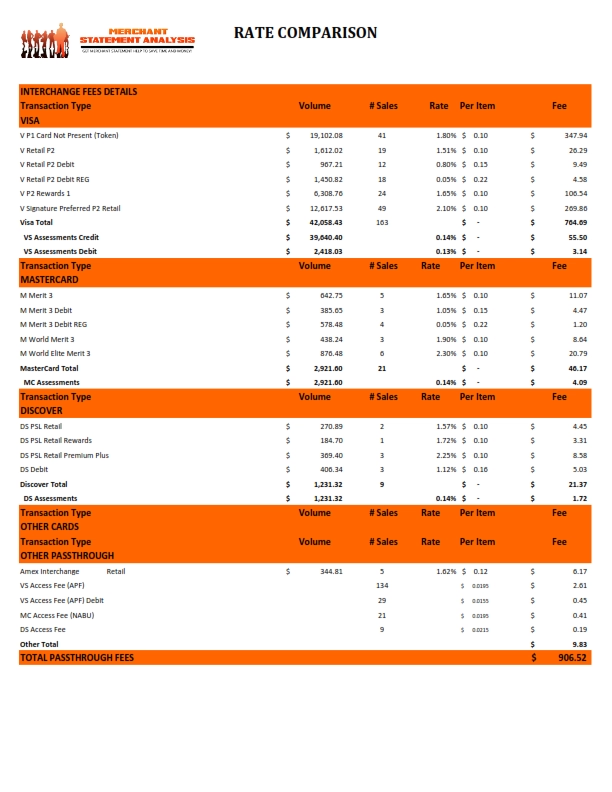
One of the biggest frustrations with merchant statements is the fees. They can be confusing and sometimes feel like they come out of nowhere. Let's break down the most common fees so you know exactly what you're paying for.
- Discount Rate: This is the main fee and usually the largest. It's a percentage of each transaction. It covers the cost of processing the payment, including interchange fees charged by card networks.
- Transaction Fees: These are flat fees per transaction, often around 10 to 30 cents. They add up if you have many small transactions.
- Monthly Fees: Some providers charge monthly fees for account maintenance, statement delivery, or PCI compliance.
- Chargeback Fees: When a customer disputes a charge, you may be hit with a chargeback fee, which can be $20 to $50 or more.
- Other Fees: These might include batch fees, statement fees, or gateway fees.
By understanding these fees, you can start to identify areas where you might be overpaying. For example, if your statement shows a high number of transaction fees, you might want to encourage customers to make larger purchases or negotiate a lower per-transaction fee.
How to properly read a bank statement?
While merchant statements focus on your credit card processing, your bank statement shows the actual deposits and withdrawals in your business account. Reading your bank statement properly helps you verify that the amounts deposited match your merchant statement and spot any discrepancies.
- Deposits: Look for the daily or weekly deposits from your payment processor. These should match your net sales minus fees.
- Fees Withdrawn: Some processors deduct fees directly from your bank account. Check for these withdrawals and compare them to your merchant statement.
- Chargebacks and Refunds: These might appear as withdrawals or adjustments.
- Other Transactions: Watch for any unexpected fees or transfers.
Cross-referencing your merchant and bank statements is a smart way to catch errors or unauthorized charges. If the numbers don't add up, it's time to ask questions.
Tips for Spotting Hidden Fees and Reducing Costs
Merchant statements can hide fees in plain sight. Here are some practical tips to help you spot them and reduce your overall processing costs:
- Look for Inconsistent Fees: If your discount rate or transaction fees change month to month without explanation, ask why.
- Check for Batch Fees: Some processors charge a fee every time you close out your batch. If you batch daily, these fees add up.
- Review Chargeback Fees: High chargeback fees might mean you need better fraud prevention or clearer refund policies.
- Negotiate Your Rates: Don't be afraid to ask your provider for better rates, especially if your volume has increased.
- Consider Interchange-Plus Pricing: This pricing model separates interchange fees from processor markup, making fees more transparent.
- Use a Statement Analysis Service: Experts can review your statement and identify savings opportunities you might miss.
By taking these steps, you can lower your credit card processing fees and improve your bottom line.
Why Understanding Your Merchant Statement Matters
You might wonder why it's worth the effort to decode your merchant statement. The answer is simple: knowledge is power. When you understand your statement, you can:
- Avoid Overpaying: Many businesses pay more than they should because they don't understand their fees.
- Make Informed Decisions: Knowing your costs helps you choose the right payment processor or negotiate better terms.
- Improve Cash Flow: Understanding deposit timing and fees helps you manage your cash flow more effectively.
- Prevent Fraud and Errors: Spotting unusual fees or transactions early can save you money and headaches.
- Boost Profitability: Lower fees mean more money stays in your business.
If you want to learn more about how to read a merchant statement, there are plenty of resources available to help you become an expert.
Taking Control of Your Processing Fees
Reading your merchant statement is the first step toward taking control of your credit card processing costs. It's not just about understanding numbers on a page; it's about empowering yourself to make smarter financial decisions.
Start by reviewing your latest statement carefully. Highlight fees that seem unclear or unusually high. Reach out to your payment processor for explanations. Consider consulting with a professional who specializes in merchant statement analysis to uncover hidden savings.
Remember, every dollar saved on processing fees is a dollar added to your bottom line. With the right knowledge and tools, you can turn your merchant statement from a confusing document into a powerful resource for your business success.