
Why Digital Wallet Transactions Do Not Automatically Mean Lower Processing Fees
Expert Verified & Fact-Checked
From the Desk of: Chris DuPont, founder of Merchant Statement Analysis, with 17+ years of merchant processing experience.
The Focus: Apple Pay, Google Pay, and other wallets can improve checkout and security, but they do not automatically make merchant processing cheaper. Learn what actually drives the cost
Our Approach: Separates processing volume, transaction count and average ticket, card mix/acceptance channel, and processor markup and fixed fees so the reader can distinguish transaction or account changes from processor pricing changes without assuming that every unusual line item is an error.
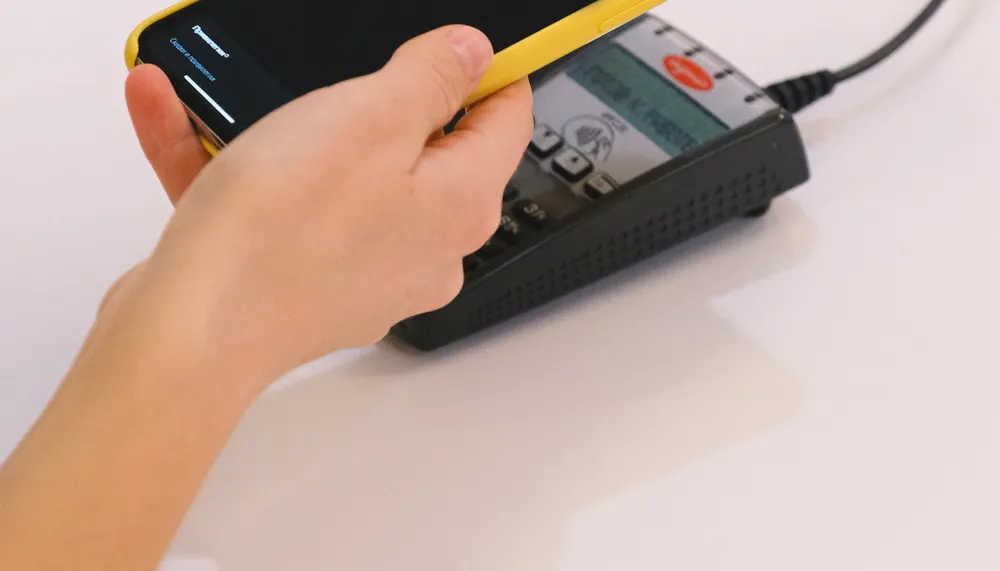
A customer taps a phone instead of inserting a physical card.
The payment feels newer.
Faster.
More secure.
Does that automatically mean the merchant pays less to process it?
Not necessarily.
A Digital Wallet Changes How Credentials Are Presented
A digital wallet can use tokenized payment credentials rather than exposing the physical card number in the same way a traditional transaction does.
That can provide security and checkout benefits.
It does not eliminate the underlying card account.
Behind the wallet may still be:
- debit
- consumer credit
- premium rewards
- business credit
- another eligible card product
The underlying card type can continue to influence processing cost.
Tokenization Does Not Eliminate Interchange
A digital wallet is not a separate low-cost card category simply because it uses tokenization.
The transaction still moves through payment networks and ultimately relates to a funding card.
The exact interchange and network treatment depends on the transaction context and current network rules.
In-Store and Remote Wallet Use Are Different
A contactless wallet transaction at a terminal is different from a wallet used in an ecommerce checkout.
Both may feel like "mobile payments."
They are not the same acceptance environment.
That distinction can matter to the statement.
Why the Statement May Not Say “Digital Wallet”
Processors do not always label wallet transactions in an obvious way on the monthly statement.
The transaction may simply be included within the applicable card brand and transaction category.
That means merchants should be cautious about trying to isolate wallet cost from a summary statement unless the reporting supports it.
Why Wallets Can Still Be Valuable
Processing cost is not the only reason to accept a payment method.
Digital wallets can offer:
- customer convenience
- fast checkout
- tokenization
- reduced physical contact with cards
- modern mobile experience
A merchant can value those benefits even if the transaction is not cheaper.
What This Looks Like in Practice
The analysis becomes useful when it explains which of those factors is actually driving the result.
Context Is the Difference Between Data and Analysis
A statement can show the right numbers and still be misunderstood.
What We Would Not Assume From This Alone
Before reaching a conclusion, it is worth asking:
The Better Question to Ask
Instead of asking whether one number is high or low, ask what created it.
What This Means for the Merchant
The right conclusion is not the most dramatic one. It is the one the complete statement supports.
How to Read This Issue in Context
In Do Digital Wallets Lower Merchant Processing Fees?, merchants comparing credit card processing costs need to identify which activity or pricing component actually produced the charge. Start by comparing processing volume with transaction count and average ticket. Then review card mix/acceptance channel and processor markup and fixed fees to determine whether the result is being driven by merchant activity, pass-through cost, processor pricing, or another service.
For Do Digital Wallets Lower Merchant Processing Fees?, a multi-period view is usually stronger than a one-month snapshot. If the statement shows a change in processing volume while there is no meaningful change in processor markup and fixed fees, the explanation points in a different direction than a month where the merchant’s activity is stable but the pricing line changes. That distinction keeps the review tied to evidence rather than to a quick assumption.
A Practical Statement Checklist
- For Do Digital Wallets Lower Merchant Processing Fees?, compare processing volume across the relevant statement periods.
- Separate transaction count and average ticket from charges that are billed on a different basis.
- Check whether card mix/acceptance channel changed enough to explain the movement being reviewed.
- Identify the statement label and billing basis for processor markup and fixed fees, and confirm whether the statement provides enough detail to classify it confidently.
What This Does Not Prove
To evaluate Do Digital Wallets Lower Merchant Processing Fees? responsibly, separate observation from conclusion. The statement may show processing volume, transaction count and average ticket, card mix/acceptance channel, and processor markup and fixed fees, but it may not show every contract term or operating fact behind them. If those visible pieces do not explain the result, verify the missing information instead of assuming an error or overcharge.
The safest reading of Do Digital Wallets Lower Merchant Processing Fees? is evidence-first: record the amounts and relationships the statement actually supports, then identify what still needs verification. An unexplained charge should remain unexplained until another statement, agreement, processor record, or authoritative rule resolves it.
How This Affects a Quote or Review
For Do Digital Wallets Lower Merchant Processing Fees?, a credible quote needs an apples-to-apples baseline. Compare periods where processing volume and card mix/acceptance channel are understood, and do not let processor markup and fixed fees get buried inside transaction count and average ticket. Otherwise, ordinary account variation can be misread as savings created by the new pricing.
A defensible Do Digital Wallets Lower Merchant Processing Fees? proposal lets the merchant see what came from the statement, what was assumed, and how the final savings figure reconciles to the underlying totals.
Decision Signal
For Do Digital Wallets Lower Merchant Processing Fees?, the signal gets stronger when operating inputs are stable. If processing volume, transaction count and average ticket, card mix/acceptance channel, and processor markup and fixed fees do not explain a material pricing change, investigate further. If they changed, quantify that variation first.
This framework gives the reader useful questions without pretending a single article can replace a full statement review. The final pricing conclusion should still be grounded in the complete statement and, when necessary, the underlying merchant agreement or current network documentation.
Primary Sources to Check
Rates, network rules, and compliance requirements can change. Verify the current primary documentation before publication and before relying on a specific rule or amount.